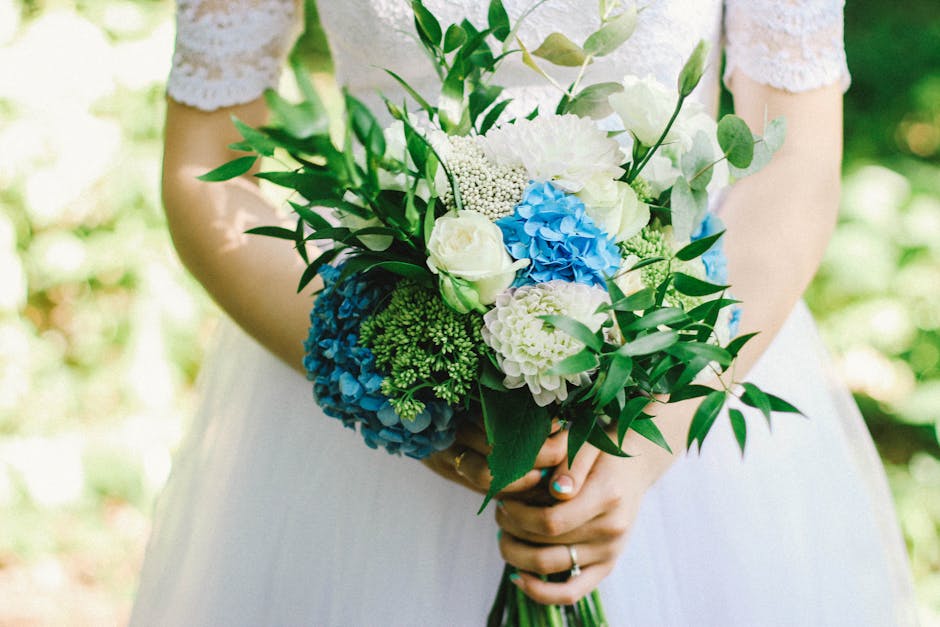
What to know about wedding flowers timing in Bishops Stortford
Posted on 20/10/2026
Planning wedding flowers sounds simple enough at first. Then the questions start piling up. When should you book? When should your bouquet be made? How close to the ceremony can the flowers be delivered without turning into a mild logistical drama? If you are working out what to know about wedding flowers timing in Bishops Stortford, you are already thinking the right way. Timing is one of those details that can make everything feel calm and polished, or rushed and a bit fraught.
In Bishops Stortford, wedding days often involve real-world moving parts: church timetables, hotel check-ins, venue access slots, traffic around busy stretches, and the usual British habit of keeping everyone guessing about the weather. Good flower timing helps all of that sit together neatly. This guide walks you through the planning process, the best ordering windows, common pitfalls, and the practical decisions that matter most when you want fresh, beautiful flowers to arrive exactly when they should.
Quick answer: book wedding flowers early, confirm delivery and setup timing with your florist well before the day, and build in a safe buffer for venue access, traffic, and any last-minute adjustments.

Table of Contents
- Why timing wedding flowers matters in Bishops Stortford
- How wedding flower timing works
- Key benefits of planning the timing properly
- Who this is for and when it makes sense
- Step-by-step guidance
- Expert tips for better results
- Common mistakes to avoid
- Tools, resources and recommendations
- Law, compliance, standards and best practice
- Options, methods and comparison table
- Case study or real-world example
- Practical checklist
- Conclusion
- Frequently asked questions
Why What to know about wedding flowers timing in Bishops Stortford Matters
Wedding flowers are not just decorative extras. They set the tone for the entire day. They show up in the bridal bouquet, the groom's buttonhole, bridesmaid bouquets, centrepieces, ceremony arrangements, welcome displays, and often in the photos you will keep for years. If the timing is off, even lovely flowers can lose impact. Nobody wants a bouquet arriving after hair and makeup are done, or table arrangements still being unpacked while guests are already taking their seats.
Timing matters even more in a place like Bishops Stortford because wedding days here can involve a mix of local venues, family homes, churches, hotels, and reception spaces with their own access rules. Some places allow early delivery and calm setup. Others are tighter, with a small loading window and no room for delay. Truth be told, flower timing is less about being fussy and more about protecting the flow of the day.
Freshness is another big reason. Most wedding flowers are at their best when they are cut, conditioned, and arranged close to the event. That does not mean everything is made the same morning, but it does mean the florist needs a sensible schedule. If you are ordering seasonal stems, delicate blooms, or larger statement pieces, a tight but realistic timeline helps keep petals crisp, stems hydrated, and arrangements looking their best when the first guest walks in.
And then there is peace of mind. Once the flowers are sorted, confirmed, and timed properly, the day suddenly feels lighter. One less thing to chase. One less thing to wonder about at 7:15 a.m. while the kettle is boiling and someone is looking for cufflinks. Small thing? Maybe. But on a wedding day, small things are never really small.
How What to know about wedding flowers timing in Bishops Stortford Works
The timing process usually starts months before the wedding and ends with a delivery window on the day itself. For most couples, the journey has four main stages: enquiry, planning, production, and delivery or collection. Each stage needs a little coordination, especially if you want the flowers to suit your venue, dress code, colour palette, and ceremony schedule.
1. The planning stage
This is where you decide what you actually need. A small registry-style ceremony needs a very different floral timeline from a full church-and-reception setup. You may only need a bridal bouquet and buttonholes, or you may want a full set of wedding flowers including table arrangements and venue styling. In Bishops Stortford, many couples prefer to pin this down early so there is no last-minute scramble.
At this stage, your florist will usually ask for the venue name, ceremony time, reception time, and whether the flowers need to travel between locations. If the wedding is in one place all day, that is simpler. If it is split across multiple stops, the schedule needs more breathing room. That is normal. It is also where a good florist earns their keep, to be fair.
2. The production stage
Florists typically prepare wedding flowers in the days immediately before the wedding, not weeks in advance. Hardy flowers, ribbon work, and some mechanics can be ready earlier, but delicate blooms and bouquets are generally finalised closer to the day to preserve freshness. Seasonal availability matters here too. If your plans rely on specific flowers, the florist may need to confirm substitutes well ahead of time.
For example, a spring wedding might lean on tulips, ranunculus, or other soft seasonal textures, while a late-summer celebration may call for richer blooms and fuller arrangements. If you are after a classic white bridal bouquet or a more colourful mix, the preparation window can change slightly depending on the stem choice and design complexity.
3. Delivery or collection on the wedding day
On the day, the florist needs to work backward from the ceremony start time. The bouquet usually arrives first, followed by any buttonholes or corsages, then larger arrangements and table pieces. If there is setup involved at the venue, the florist will often aim to arrive with enough time for positioning, styling, and a quick check of the final look. Not rushed. Not hanging around either.
For couples using a local service such as a Bishops Stortford florist, that local knowledge can help with route planning and venue timing. If you need the flowers to fit a broader delivery schedule, it can also help to understand the wider delivery arrangements before the big day gets too close.
4. Contingency planning
Good timing always includes a buffer. The flowers may be delivered, but what if the venue is not ready? What if there is an unexpected delay with hair and makeup? What if the weather changes and someone wants the ceremony moved half an hour later? A sensible florist will allow for some movement. The best plans are the ones with a little slack in them.
Key Benefits and Practical Advantages
Getting wedding flower timing right does more than keep the day tidy. It improves the entire experience, from your first consultation to the final photo. Here are the biggest practical advantages.
- Better freshness: Flowers are conditioned and arranged as close to the wedding as possible, which helps them look lively and hydrated.
- Less stress: You know when things are arriving, who is setting them up, and what happens first.
- Cleaner coordination: Your florist, venue, photographer, and hair and makeup team can work around a shared timeline.
- More polished photos: Bouquets and arrangements look their best at the key moments, especially during getting-ready shots and the ceremony.
- Reduced waste: When flowers are planned properly, there is less reworking, fewer emergency replacements, and less chance of unused extras.
There is also a subtle emotional benefit. You feel looked after. That matters. Wedding planning can be a lot, and flowers are one of the few parts that can genuinely lift the mood the moment they arrive. A bouquet on the kitchen table, cool water in the vase, the soft smell of fresh stems in the room - it changes the atmosphere, doesn't it?
If you are comparing styles, it can help to think about timing alongside the collection itself. Some couples choose a coordinated set such as a wedding collection, while others build their look from individual pieces like bridal bouquets and bridesmaid bouquets. The more pieces you have, the more useful a structured schedule becomes.
Who This Is For and When It Makes Sense
This advice is for anyone planning wedding flowers in Bishops Stortford, but it is especially useful if you are trying to balance freshness, budget, and a fairly tight schedule. It is also for people who do not want to spend the week before the wedding answering ten different messages about when the flowers are arriving. Fair enough, really.
You will benefit most from careful flower timing if you are:
- planning a church wedding with a fixed ceremony time
- using more than one location on the day
- booking larger floral pieces such as centrepieces, arches, or ceremony displays
- choosing seasonal flowers that may need substitution planning
- working with a venue that has limited access windows
- wanting a delivery timetable that fits around hair, makeup, photography, and transport
It also makes sense if you are ordering supplementary pieces outside the main wedding package. For example, a couple may already have the main bouquet sorted but still need a few extras like buttonholes or table arrangements. Those items need to land at the right point in the day, not just at some vague "morning" slot that turns out to mean anything from 8 a.m. to lunchtime.
And yes, if you are a very organised person, you may already have this mapped out in a spreadsheet. If you are not, that is fine too. A simple written timeline works just as well when it is realistic and shared with everyone involved.
Step-by-Step Guidance
Here is the practical version. This is the bit that helps most when you are trying to turn ideas into a real wedding-day plan.
Step 1: Confirm the wedding date and venue access
Before you pick flowers, make sure the date, ceremony time, and venue access rules are locked down. Ask when suppliers can arrive, where they can park, and whether there is a load-in point or a back entrance. It sounds basic, but this step saves a surprising amount of friction.
Step 2: Build the floral brief
List everything you need: bouquet, bridesmaids, buttonholes, ceremony flowers, reception table pieces, and any extras such as corsages or welcome arrangements. Then note any colour preferences, inspiration photos, and flowers you absolutely do not want. The more specific you are now, the less back-and-forth later.
Step 3: Ask about preparation windows
Discuss when each item will be made. Bouquets and delicate stems are usually prepared close to the event, while some structural pieces can be built earlier. If your florist needs to source special flowers, ask how that affects lead time. It is much easier to plan around a clear preparation window than to hope for the best.
Step 4: Set a realistic delivery time
Delivery should be timed around the ceremony, not just the venue opening. Work backward from when the bridal party needs the flowers in hand. If the ceremony is at 1 p.m., and you need time for photographs, pinning buttonholes, and a small breathing space, the floral delivery needs to happen earlier than you might think.
Step 5: Confirm who receives the flowers
Someone must be there to accept the delivery or collect the flowers. Make sure that person is named. Bridal parties are busy, and venues can be busy too. If no one is available, the timing can unravel very quickly. That tiny detail is one of the most overlooked parts of wedding flower planning.
Step 6: Check the final details two to three days before
Two or three days before the wedding, confirm the final counts, names, delivery address, and any changes to the timeline. This is where you catch small shifts before they become bigger problems. Maybe a buttonhole was added, maybe the ceremony moved by fifteen minutes. These things happen.
Step 7: Keep the day-of plan simple
On the day itself, keep the plan readable. A short timeline with times, contact names, and delivery notes is enough. Don't bury the important bits in a giant group chat where half the messages are about missing socks and someone's hungry toddler. Keep it simple. Everyone will thank you for it.
Expert Tips for Better Results
These are the sorts of practical details that separate a smooth flower setup from a slightly chaotic one.
- Book earlier than you think you need to: Good wedding florists often get busy well ahead of peak season. Early booking gives you better choice and less pressure.
- Keep venue access in mind: A beautiful plan is useless if the florist cannot get into the room. Check keys, codes, loading bays, and lift access if relevant.
- Use seasonal flowers where possible: Seasonal stems usually travel better, last well, and feel more natural to the time of year.
- Ask for a contingency option: If a flower is unavailable, you want to know the replacement style in advance, not on the morning of the wedding.
- Protect the bouquet after delivery: Keep it in water or in a cool, shaded place until needed. Avoid hot windowsills, radiators, and car boots left in the sun. Obvious? Yes. Missed? Also yes.
- Use photographs from your own venue if you can: A bouquet looks different in a small candlelit room than it does in a bright conservatory, and that affects colour choices.
One practical observation from real wedding planning: the calmest days are usually the ones where flowers arrive a little earlier than strictly necessary. Not hours and hours early. Just enough. Enough to allow for a quick check, a small adjustment, and that lovely moment when everyone pauses and says, "Ah, now it feels real."
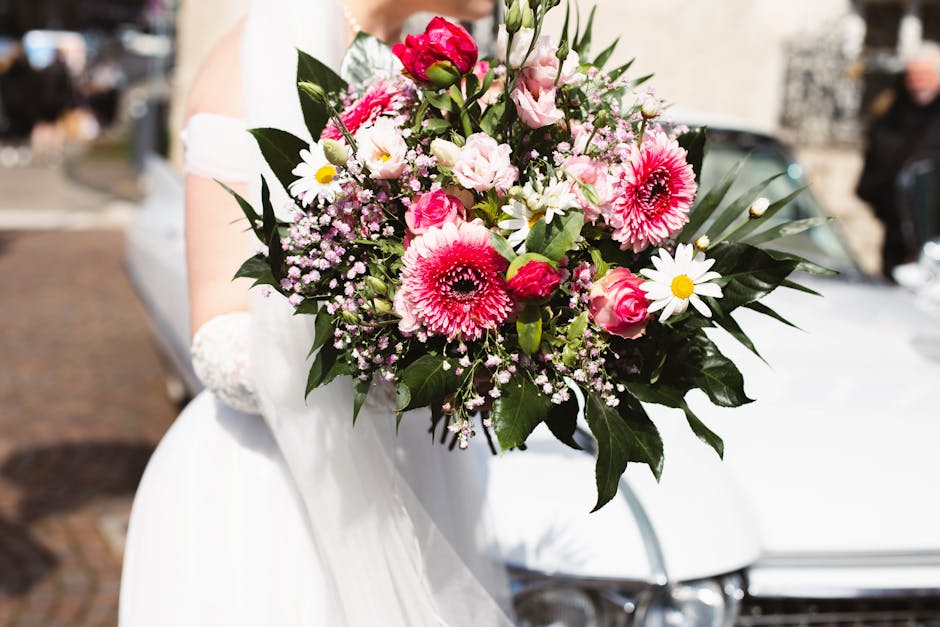
Common Mistakes to Avoid
Most flower timing problems are avoidable. Here are the ones that crop up again and again.
Leaving booking too late
Especially in popular wedding months, waiting too long limits your options. You may still get something lovely, but your first-choice flowers or styles may no longer be available.
Assuming the venue knows the plan
Never assume the venue, florist, or couple's family all have the same timing in mind. Share the schedule clearly. If someone needs to sign for the delivery, say so.
Forgetting travel between locations
If the ceremony and reception are in different places, build in travel time for the flowers, not just the people. Bouquets in a car do not enjoy being rushed, frankly.
Not checking size and quantity
A bouquet that photographs beautifully may still be too large to carry comfortably all day. Likewise, too few table arrangements can make a venue feel unfinished. The timing issue here is that corrections are hardest at the last minute.
Ignoring weather and season
Cold mornings, warm afternoons, rain during transport - all of these affect flower handling. Seasonal awareness matters more than people expect, especially for delicate petals and foam-based designs.
Leaving buttonholes and corsages to the last second
These tiny pieces are easy to overlook, yet they are often the things that need handing out at a very specific moment. If they are late, it is immediately noticeable.
One slightly silly but true point: flowers are not on your side if they are forgotten in the car while someone goes back for the rings. The flowers, quite reasonably, tend to have opinions about that sort of thing.
Tools, Resources and Recommendations
You do not need fancy software to manage wedding flower timing. A clear set of notes is enough. Still, the following tools and resources can help keep everything on track.
- Shared timeline document: A simple document with ceremony time, delivery window, and supplier contact details.
- Venue access checklist: Note the postcode, entrance instructions, parking, and any restrictions for unloading.
- Wedding morning schedule: Include hair, makeup, photography, dressing time, and flower delivery so the day flows sensibly.
- Reference photo folder: Keep bouquet shapes, colour ideas, and table arrangement styles in one place.
- Flower care guidance: Once delivered, use straightforward care advice so blooms stay fresh until use. If you need general handling tips, the site's flower care guidance is a useful place to start.
If you prefer a broader browse before deciding on exact wedding pieces, it can help to look through the wedding range and then narrow down to the items that suit your ceremony size and timing needs. Some couples start with the bouquet first, then add the extras once the structure of the day is clear.
One more useful recommendation: keep your florist's contact details somewhere easy to find, not buried in a random email thread from four months ago. That one has caught people out more than once.
Law, Compliance, Standards and Best Practice
Wedding flowers are not heavily regulated in the way some other services are, but there are still sensible standards and practical expectations to follow. The main issues are reliability, clear communication, safe handling, and respect for venue rules.
Best practice usually includes:
- clear written confirmation of the order and timing
- accurate delivery details, including postcode and access notes
- respect for venue setup windows and property rules
- careful handling of fresh flowers during transport and installation
- transparent communication if anything changes
If you are arranging flowers through a local business, it is also sensible to read the provider's policies on payment, cancellations, substitutions, delivery, and returns. Those documents help set expectations. You do not need to memorise them, obviously, but it is wise to know where you stand. For example, pages like terms and conditions, returns and refunds, and guarantees are useful reading before you confirm a wedding order.
There is also a sustainability angle that many couples care about now. Seasonal sourcing, efficient delivery, and reduced waste all matter. If that is part of your decision-making, it is worth checking the business's sustainability information and asking how they handle substitutions or leftover stems. Small choices add up.
In short: keep the paperwork straightforward, the communication clear, and the expectations realistic. That is what good practice looks like in the real world.
Options, Methods and Comparison Table
When you are planning wedding flowers, there are usually a few different ways to handle timing. The right choice depends on budget, complexity, and how involved you want the setup to be.
| Approach | Best for | Timing considerations | Things to watch |
|---|---|---|---|
| Full florist delivery and setup | Larger weddings, multi-location days, complex displays | Needs the most precise scheduling and venue access | Access times, parking, and setup window |
| Delivery only | Smaller weddings or couples with a helper on site | Requires someone to receive and place the flowers | Storage, water, and safe handling after drop-off |
| Collection from the florist | Very simple orders, budget-conscious planning | Depends on your ability to collect at the arranged time | Transport conditions and keeping flowers upright |
| Staged delivery by item | Events with early portraits or separated ceremony/reception timing | Items arrive in phases, often by priority | Tracking the sequence carefully so nothing is missed |
For most couples, full florist delivery is the easiest to manage if the budget allows. But collection can work well for small, straightforward celebrations. The deciding factor is not just cost. It is whether you want to be managing flowers on a day when, ideally, you should be sipping something cold and saying hello to your family. Not chasing stems across a venue car park.
Case Study or Real-World Example
Here is a realistic example based on a typical Bishops Stortford wedding day. A couple books a late-morning ceremony, followed by a reception in a nearby venue. They want a bridal bouquet, three bridesmaid bouquets, six buttonholes, and table arrangements for the reception room. They also want the flowers to appear in getting-ready photos, because, let's face it, those shots are often the ones everyone keeps.
Instead of asking for everything at the same vague time, they work backward from the ceremony. The florist plans the bouquets to arrive first, roughly an hour and a half before the ceremony, with buttonholes included in the same drop. Table arrangements are scheduled next, once the venue confirms room access. A named contact is assigned at both locations, and the couple builds in a small buffer in case the bridal party is running behind.
What changes as a result? The morning feels calmer. The flowers are handled once, not several times. The photographer gets the bouquet for detail shots before anyone leaves for the ceremony. The venue team is not waiting around for a delayed delivery. And the couple can actually enjoy the moment when the flowers arrive, which sounds small, but it genuinely changes the mood.
That is really the point. Good timing is not about being overly organised for its own sake. It is about creating a smoother, kinder day. One that breathes a little.
Practical Checklist
Use this checklist to keep wedding flower timing under control.
- Confirm wedding date, ceremony time, and reception time
- Share the venue address and access instructions
- List every floral item needed, from bouquet to buttonholes
- Confirm seasonal flower choices and any possible substitutions
- Ask when each floral element will be prepared
- Set a realistic delivery or collection time
- Nominate a person to receive the flowers
- Check water, shade, and storage arrangements on arrival
- Review final quantities two to three days before the wedding
- Keep the florist's contact details handy on the day
- Allow a small time buffer for traffic or venue delays
- Confirm setup order if multiple locations are involved
Tick those off and you are already ahead of the game. Not glamorous, perhaps, but very effective.
Get a free quote today and see how much you can save.
Conclusion
When you know what to know about wedding flowers timing in Bishops Stortford, the whole planning process becomes easier to manage. You stop guessing, start scheduling, and give your flowers the best chance to look fresh, feel considered, and arrive exactly when needed. That matters whether you are planning a simple bouquet-led ceremony or a full wedding setup with multiple floral pieces.
The best approach is steady and practical: book early, confirm the venue access, plan the preparation window, and keep one simple timeline that everyone can follow. With that in place, your flowers become what they should be - beautiful, calm, and quietly one of the most memorable parts of the day.
And when the bouquet finally arrives, all tied ribbon and soft scent and just-right colour, you will know the timing was worth getting right.
Frequently Asked Questions
How far in advance should I book wedding flowers in Bishops Stortford?
It is usually best to book as early as you can, especially for popular wedding dates and seasonal flowers. Early booking gives you more choice, more time for planning, and less risk of missing out on your preferred style.
When are wedding flowers usually prepared?
Most wedding flowers are prepared in the days just before the event so they stay as fresh as possible. Bouquets and delicate arrangements are often finished close to the wedding day, while some structural pieces may be prepared earlier.
What time should wedding flowers be delivered?
The best delivery time depends on your ceremony, venue access, and photography schedule. As a rule, flowers should arrive with enough time for setup, checks, and any getting-ready photos without feeling rushed.
Can wedding flowers be collected instead of delivered?
Yes, many couples choose collection for smaller or simpler orders. It works well if you have someone reliable to transport the flowers carefully and keep them in good condition until use.
What if my venue has a tight access window?
Tell the florist as early as possible. Tight access windows are manageable, but they need clear planning. The florist may suggest an earlier delivery, a staggered setup, or a different order of installation.
Do I need separate timing for bouquets, buttonholes, and table flowers?
Often, yes. The bridal bouquet and buttonholes usually need to be ready first, while table arrangements and larger venue pieces may be delivered or installed later. A good timeline separates those tasks clearly.
How do seasonal flowers affect timing?
Seasonal flowers are often easier to source and condition, which helps with timing and freshness. Out-of-season blooms may need to be substituted or sourced specially, which can affect preparation and delivery plans.
Should I build in extra time on the wedding day?
Absolutely. Small delays happen - hair appointments overrun, cars run late, someone misplaces a buttonhole box. A buffer keeps the day calmer and helps the flowers arrive without causing stress.
What happens if a flower is unavailable close to the wedding?
Florists usually plan for substitutions where needed. The key is to discuss acceptable alternatives in advance so any last-minute change still fits your colour palette and overall style.
Can I keep my bouquet fresh for the whole day?
Yes, if it is handled properly. Keep it cool, out of direct sun, and in water where appropriate until you need it. Once carried, it usually only needs a little care and a calm place to rest between photographs.
Is there a difference between ceremony flowers and reception flowers in timing?
Yes. Ceremony flowers are often needed earlier, while reception flowers may be delivered or installed later depending on venue access. Splitting the timing can make the whole day easier to manage.
What is the biggest mistake couples make with wedding flower timing?
The most common mistake is underestimating how long everything takes. Flowers, access, setup, and travel all need breathing room. A slightly generous schedule is usually better than a perfectly packed one.